
Warm wool mittens - how to choose the right winter mittens
When the cold bites hardest, warm mittens are essential for staying comfortable outdoors. In the Nordic climate, winter mittens need to withstand more than just low temperatures - they need to work in snow, wind, moisture and long days outdoors.
At Öjbro Vantfabrik, woolen mittens have been a natural part of everyday life for generations. In this guide, we look at what actually makes mittens warm, how to choose the right model for your needs and why wool is still the most reliable material when winter is at its harshest.
What characterizes really warm mittens?
Not all mittens warm equally well. For warm mittens to work in practice, a combination of material, construction and fit is required.
Really warm mittens should:
- Insulate even when it's damp
- Breathe so that hands don't get cold from sweat
- Protect against wind
- Fit comfortably without being tight
The choice of material plays a crucial role here.
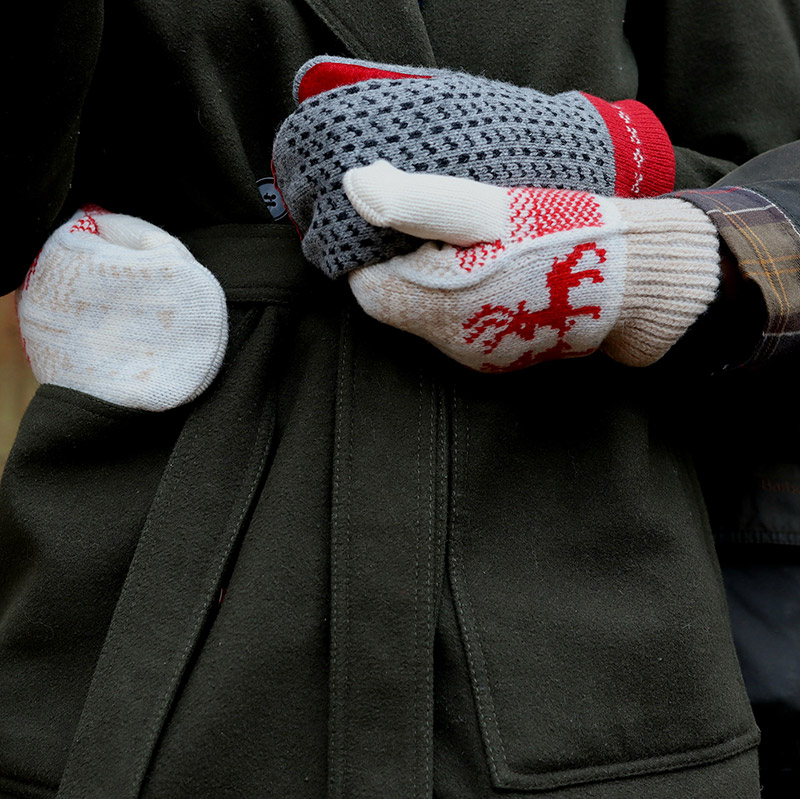
Why wool is the best material for warm mittens
Wool is a natural material with properties that are particularly adapted to cold climates. Unlike synthetic materials, wool continues to insulate even when it gets damp - which is crucial in snow and sleet.
Benefits of wool in mittens:
- Regulates temperature naturally
- Wicks away moisture
- Counteracts odors
- Holds its shape over time
This is why wool mittens are often perceived as warmer than thickersynthetic mittens.
Thumb mittens or finger mittens - which are warmer?
A common question is whether thumbs or fingers provide the best warmth.
Thumb mittens
- Fingers warm each other
- Less exposed surface
- Generally warmer in cold weather
Finger mittens
- Better mobility
- Suitable for milder winter days
For those who prioritize maximum warmth, mittens are often the best choice.
How to choose the right warm mittens for your needs
Think about how you use your mittens in everyday life:
- Walking & everyday: Wool mittens with a good fit
- Stagnant cold: Thicker knitted mittens
- Active days: Breathability is more important than thickness
Also keep in mind that too tight mittens will be colder, as the air layer disappears.
Common mistakes when buying warm mittens
- Choosing synthetic because they feel "thicker"
- Buying mittens that are too small
- Underestimating the importance of moisture
If you want to invest in mittens that will last over time, quality and material are more important than volume.
How to take care of wool mittens to keep them warm for longer
Wool rarely needs to be washed. It is often enough to air the mittens. If necessary:
- Wash in a cool place
- Use wool detergent
- Gently shape after washing
Choosing warm wool mittens is a choice for both comfort and durability. With the right material and care, a pair of mittens can follow you through many winters and become part of everyday memories.