Lycksele
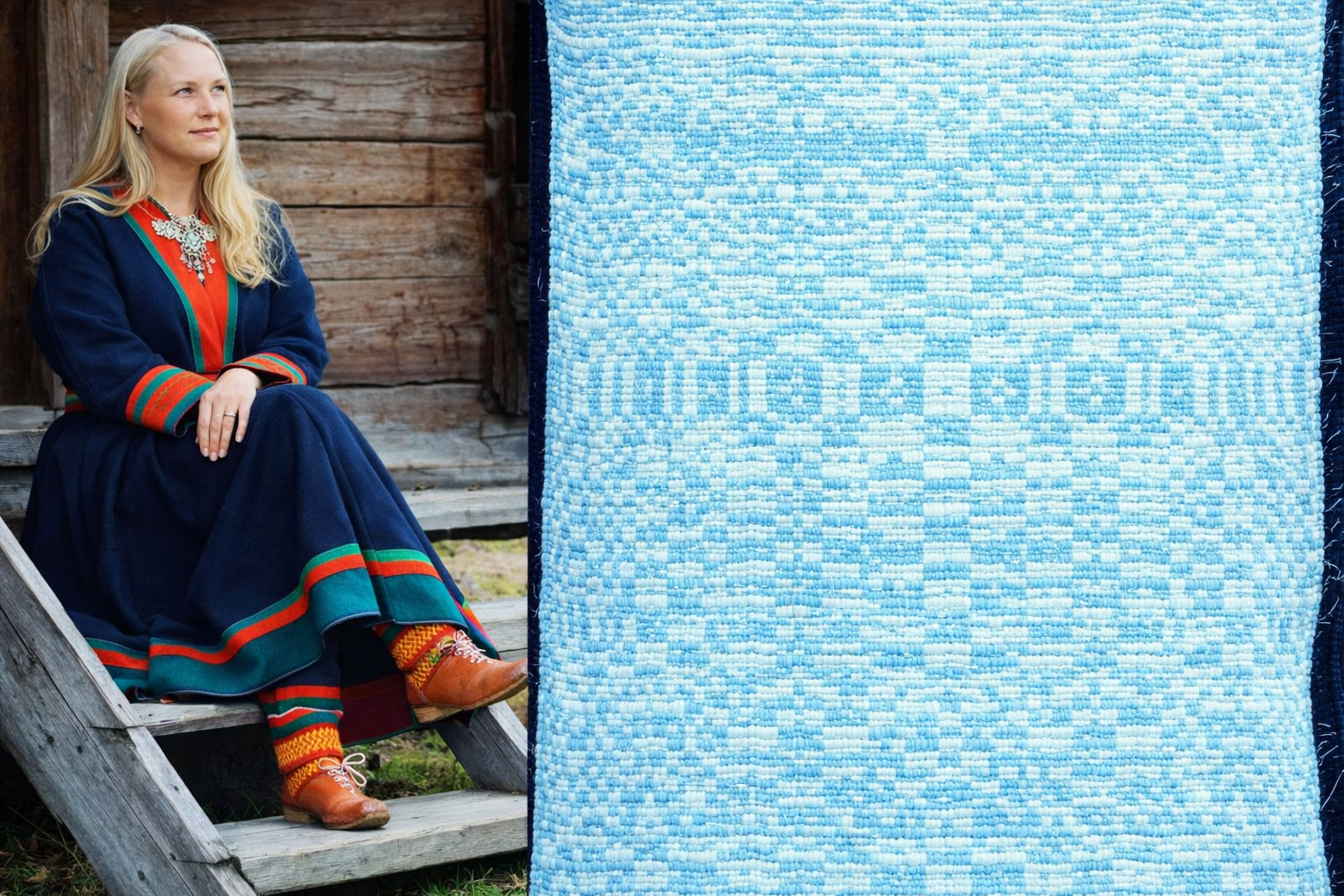
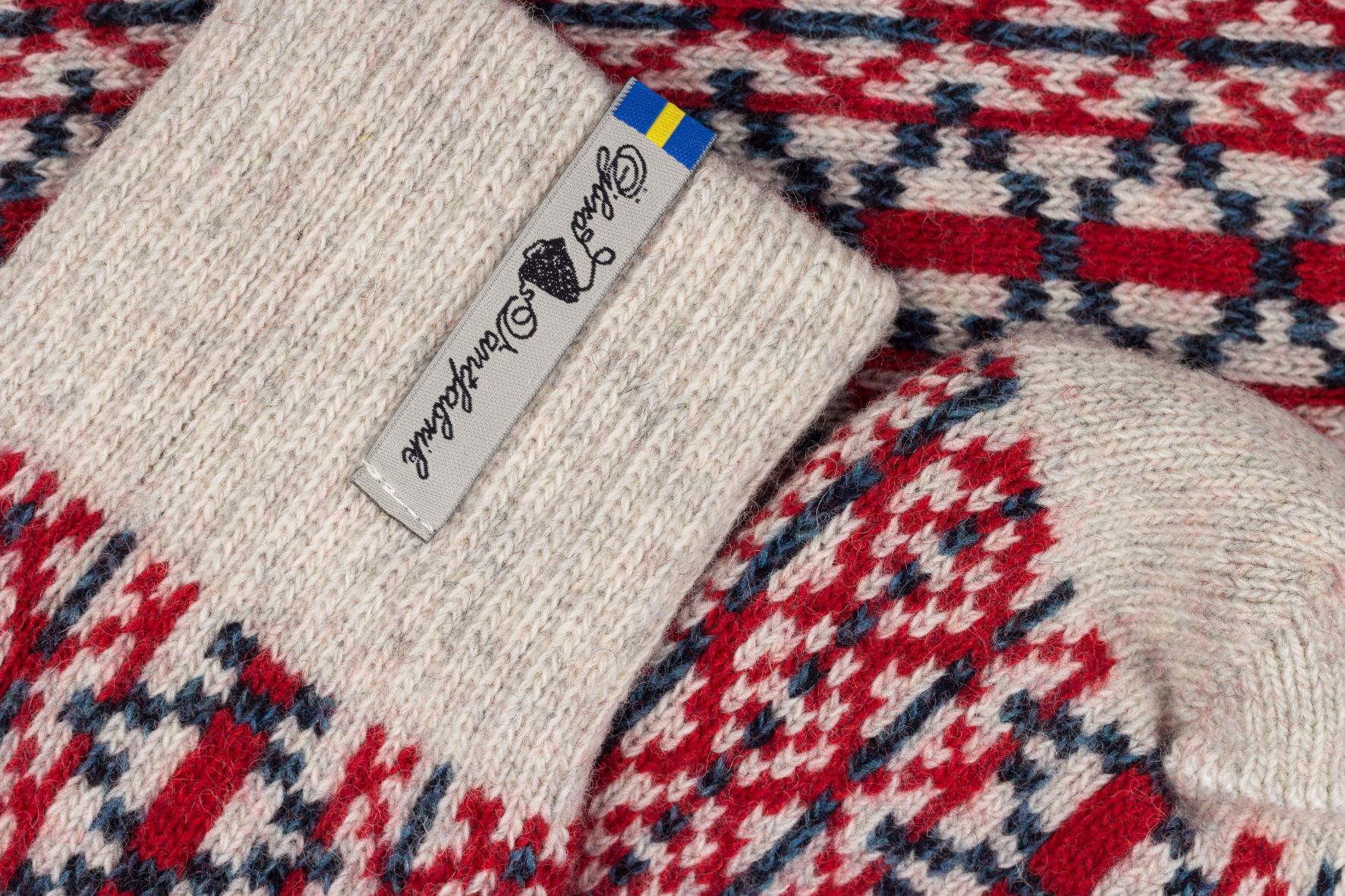
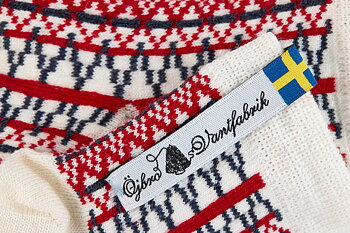
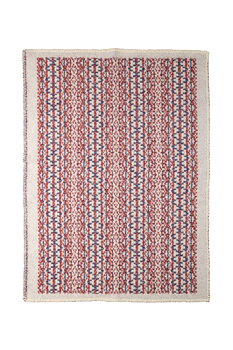
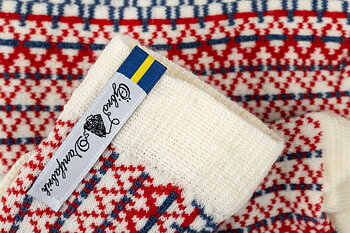
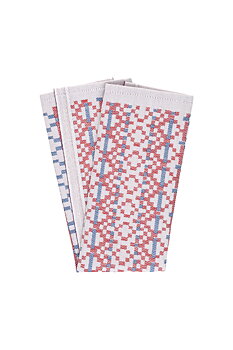
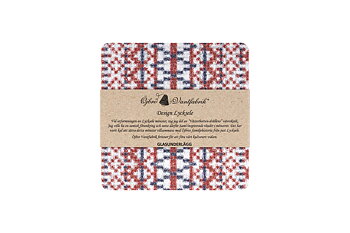
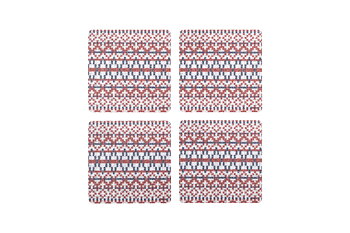
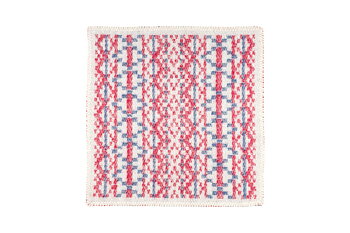
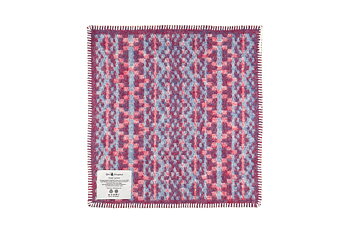
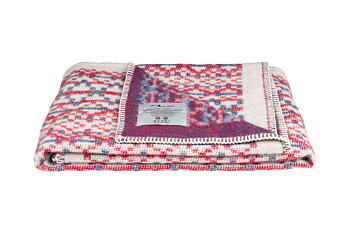
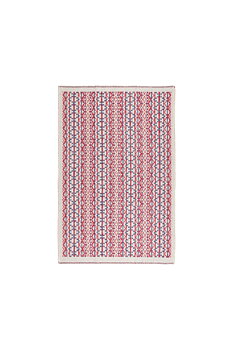
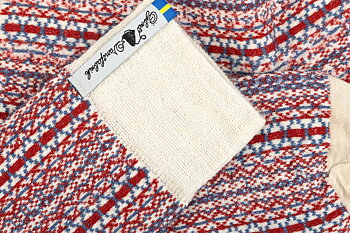
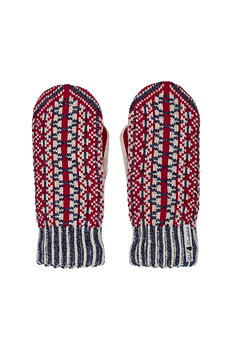
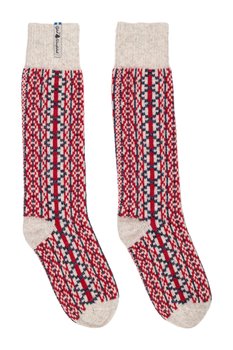
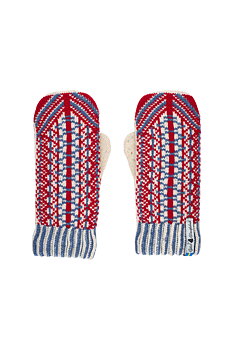
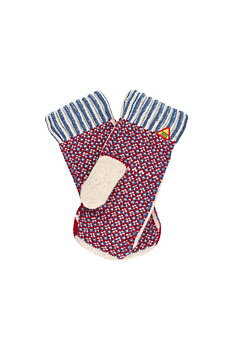
- When creating the Lycksele pattern, I was inspired by the traditional weaving technique 'Västerbotten dräll.' I wanted to include a Sámi connection, which resulted in Sámi-inspired stripes in the pattern. It has been a joy to create this design, especially combined with my family history within Öjbro.
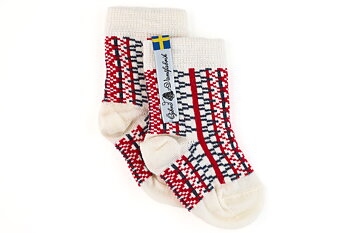
All our products with the design Lycksele

.jpg?max-width=350&max-height=350&quality=85)
.jpg?max-width=350&max-height=350&quality=85)
.jpg?max-width=350&max-height=350&quality=85)









The story behind the pattern "Lycksele" |
|
|
Until the 17th century, there were no established settlements in southern Lapland. In 1607, King Charles IX designated the site of Öhn (now Gammplatsen) as a church and market place in southern Lapland. Lycksele therefore celebrated its 400th anniversary in 2007. Lycksele was granted city rights in 1946, becoming the first town in Lapland. The city is known as "Lappstockholm" and markets itself as "the capital of Lapland," emphasizing its historical role as the region's first city and an early important meeting place. The Sámi are an Indigenous minority in Norway, Sweden, and Finland. Independent Sámi Parliaments have been established and recognized by governments in Norway since 1989, Sweden since 1993, and Finland since 1996.
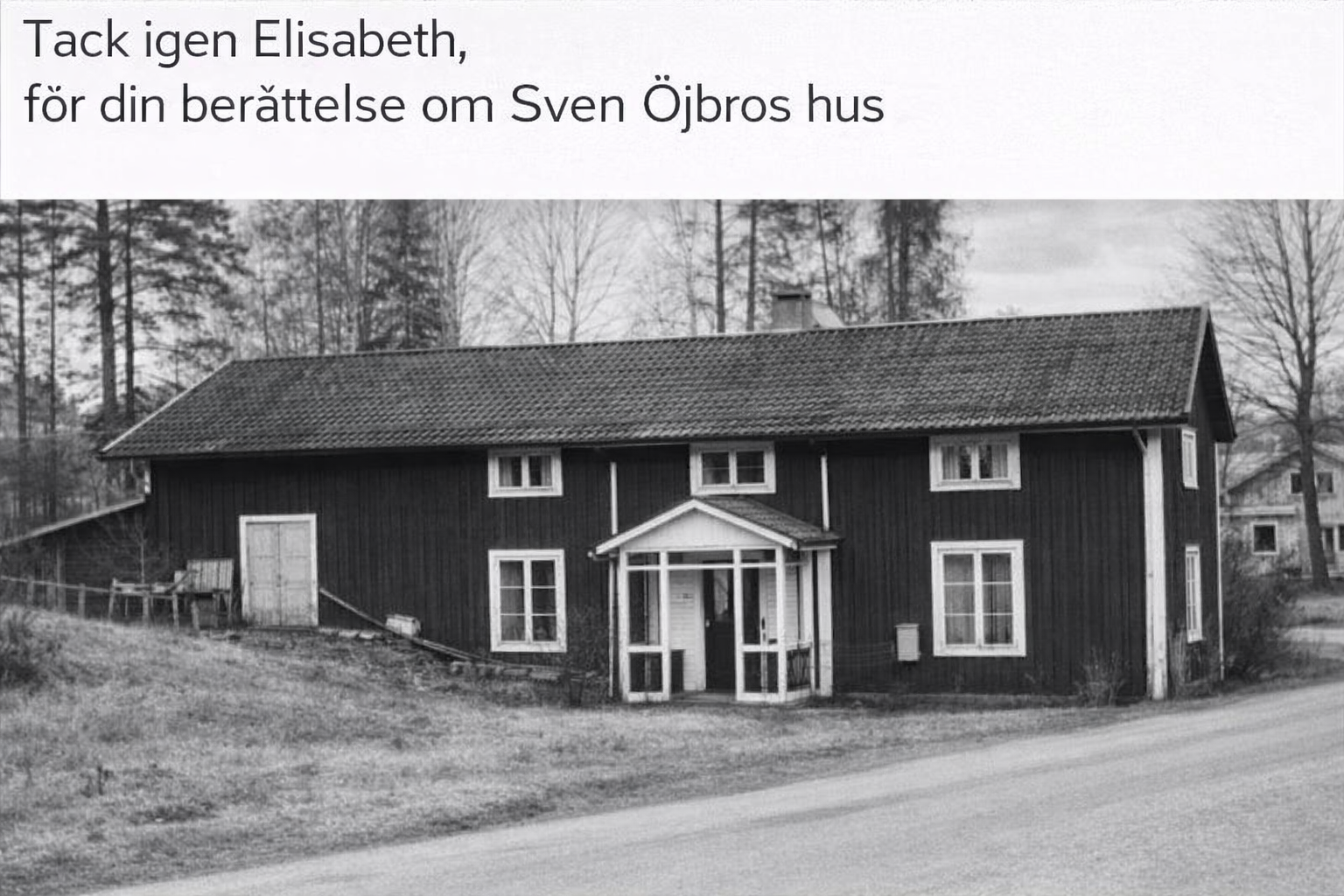
Designer Åse Öjbro, founder of Öjbro Vantfabrik, creates with wearable art as her foundation. She previously worked as an artist, painting for many years before turning to functional design. She has created this pattern inspired by Sámi culture and the city's history. - When creating the Lycksele pattern, I was inspired by the traditional weaving technique 'Västerbotten dräll.' I wanted to include a Sámi connection, which resulted in Sámi-inspired stripes in the pattern. It has been a joy to create this design, especially combined with my family history within Öjbro. Not far from "Joppes" stood Sven Öjbro's timber house, built in the early 19th century in Ekorrsjö as an inn. Travelers found rest here, and during the markets in Lycksele, every room was filled with life. The house was later moved to Villarydsbacken, where Sven grew up and made it his home. He took the surname Öjbro – meaning in the local dialect "to cross the bridge." There he lived with his wife Elma: he quiet as a whisper, she known for a voice that carried far across the landscape. Well into the 20th century, people still came to stay there, as if the walls remembered their purpose. After Elma's death, Sven lived simply, tending his potato field and listening to the sound of wood chopping at dawn. When Sven passed away in 1981, the house remained, filled with memories. Today it stands at Gammplatsen, a small building where echoes of the past still linger. Source: "The story of Sven Öjbro's house" by A. Elisabet Lindgren, Lycksele |
|