Yggdrasil
All our products with the design Yggdrasil


.png?max-width=350&max-height=350&quality=85)
.png?max-width=350&max-height=350&quality=85)




The story behind the pattern "Yggdrasil" |
|
|
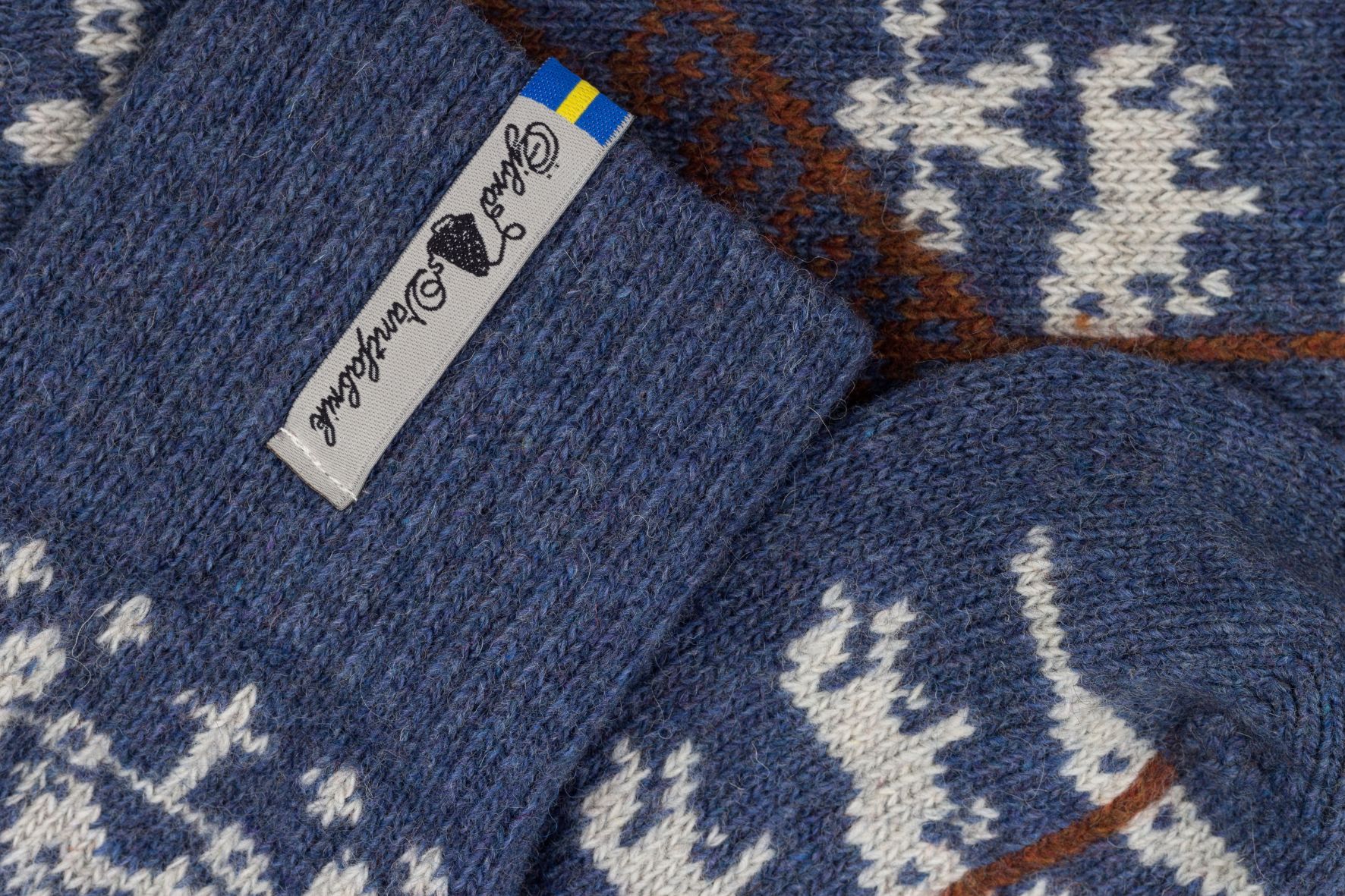
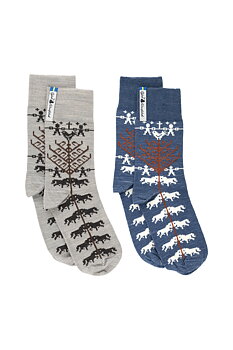
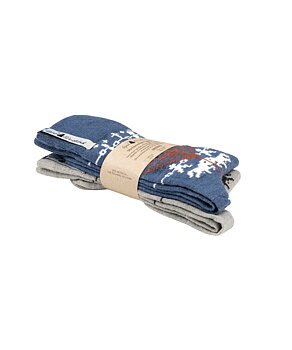
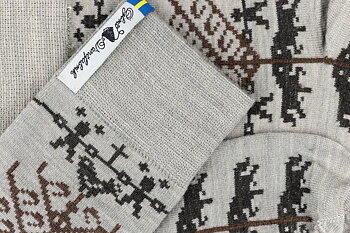
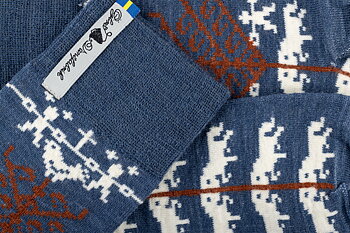
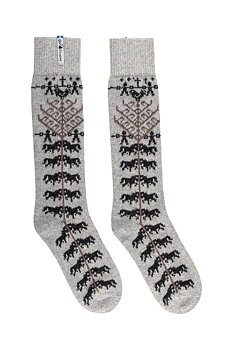
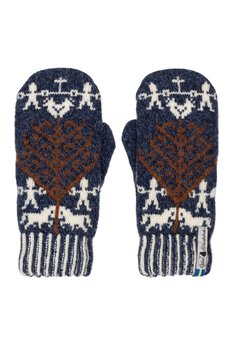
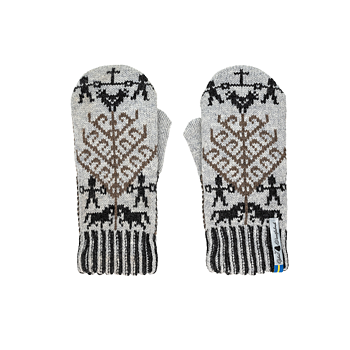
The Överhogdal tapestries are among Europe's oldest and most significant cultural treasures, dated to the transition period between pagan and Christian times. Since their discovery by Paul Jonze in 1910, many researchers have taken on the difficult task of interpreting the weavings and their narrative content. The tapestries have been compared with other surviving image traditions such as Norse mythology, Christian symbolism, fertility rituals, wedding journeys, and ancient sacrificial cults. Today, the Överhogdal tapestries from the Viking Age can be seen at the Jamtli Museum in Östersund. How the tapestries ended up in the church's wood shed is a fascinating story in itself.  Source: "The Överhogdal Weaves," compiled by Ulla Oscarsson. The tapestry was not rolled up or hung, but lay just to the right on the floor inside the door, crumpled like a rag among dusty moldings and other old interior fragments—old birch timber, wingless church angels, and various debris accumulated over the years in such a storage shed. Whether it had been there for a long time or not could not be determined... When Jonze found the tapestries, they were not complete; a few fragments were missing. Helena Öberg from Jämtland Crafts therefore traveled the following year to the village of Överhogdal to try to find the missing parts. She reported her discovery: "On the 3rd of December 1911 in the afternoon, I arrived at Överhogdal's post office, where I met an old man who asked what I was doing there. I replied, half in jest, that I was missing a piece of the tapestry. He then told me that if I followed him home, I would get a piece of it. It was dark and snowing heavily when I followed him, and I do not clearly know in which direction the croft lay, nor how far it was. Upon entering the cottage, there was only a five-year-old girl, who, when asked by the old man where her doll's blanket was, pointed to a cupboard and said: 'There.' Meanwhile, the child's mother, a woman about 40 years old, came in and took out the doll's blanket from the cupboard, which turned out to be the missing piece. The child did not want to give it up and began to cry. I then gave her 2 kronor and promised a new doll's blanket, which I later fulfilled..." Designer Åse Öjbro, founder of Öjbro Vantfabrik, creates with wearable art as her foundation. She previously worked as an artist, painting for many years before turning to functional goods. She was inspired by Yggdrasil, the world tree, and depicted the mythological story of the horses Sleipnir and Rimfaxe and the bird that foretells Ragnarök. After Ragnarök ended, Lif and Lifthrasir came ashore and began a new life in Midgard. The cross at the top symbolizes Christianity. - I wanted to create a pattern that intertwines our history, from the Viking Age to Christianity, and express it in a single image. Personally, I was moved by Helena Öberg's story about how she solved the task and eventually recovered the little girl's doll's blanket. It is amazing that Sweden has cultural treasures of such significance. |
|