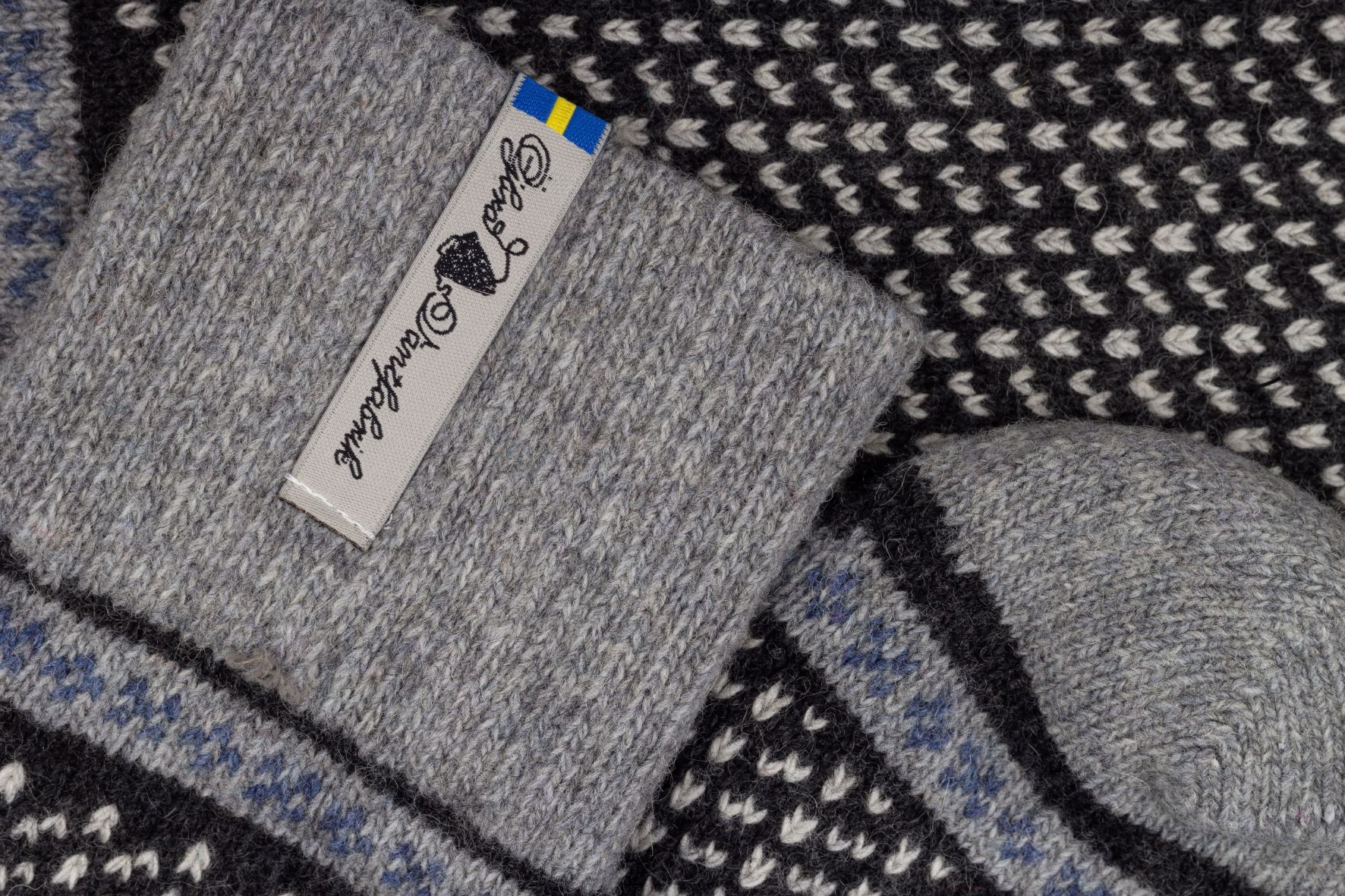
Skaftö
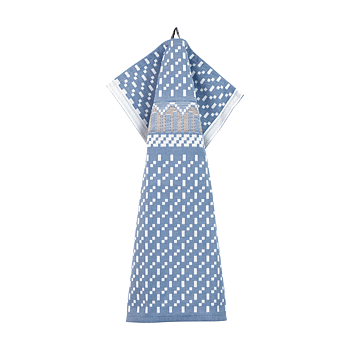
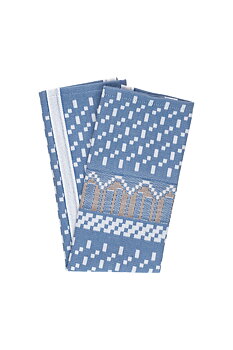
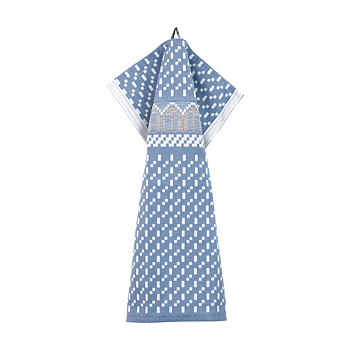
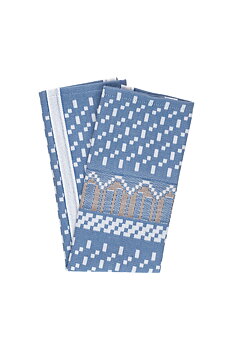
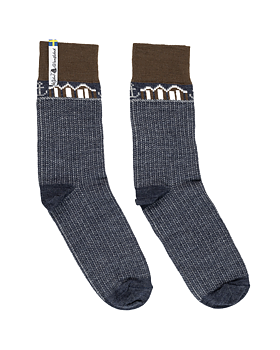
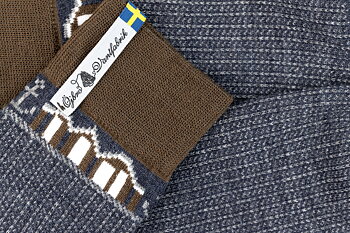
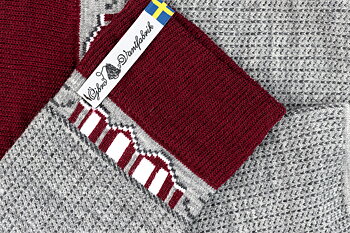
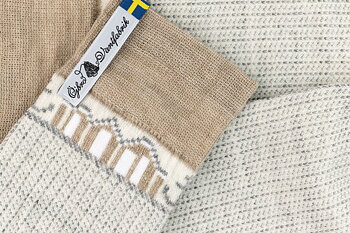
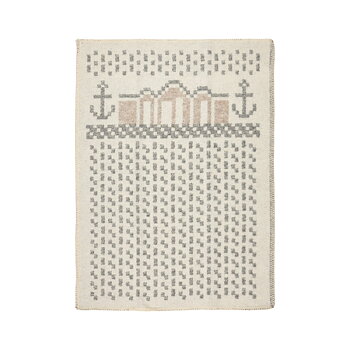
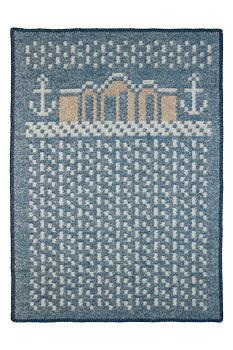
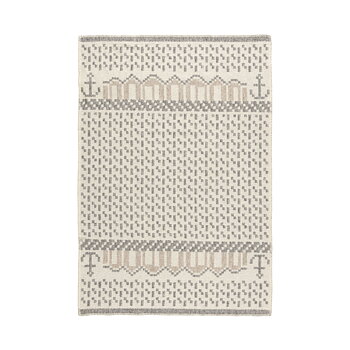
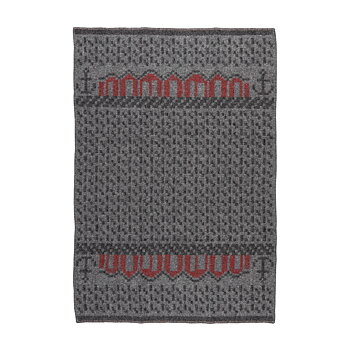
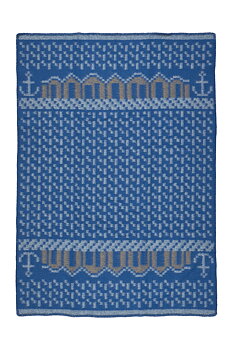
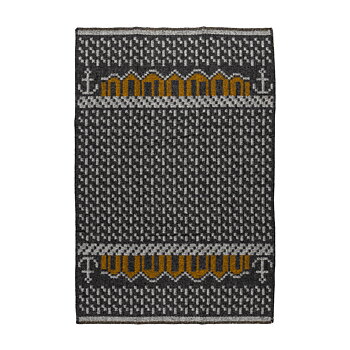
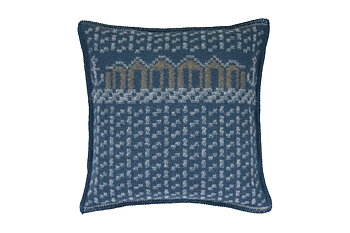
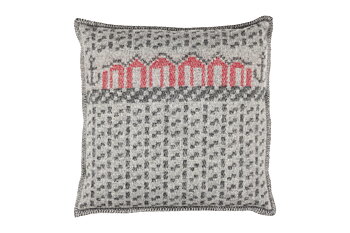
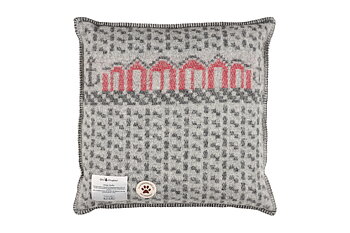
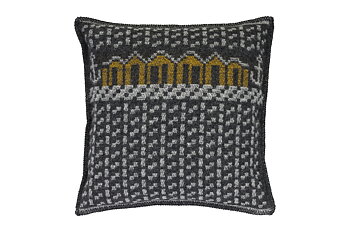
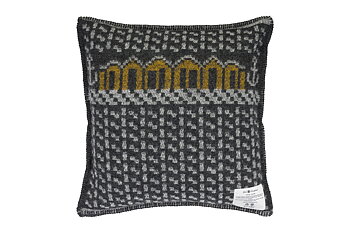
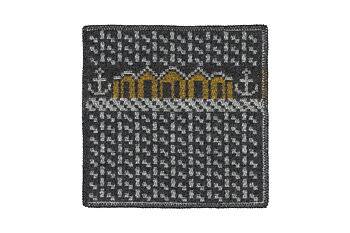
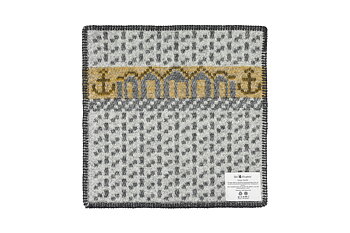
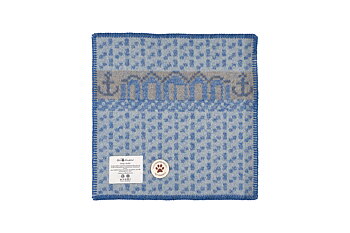
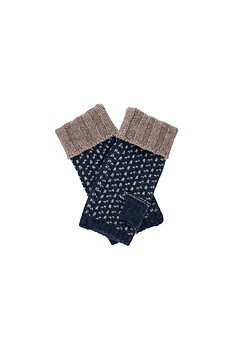
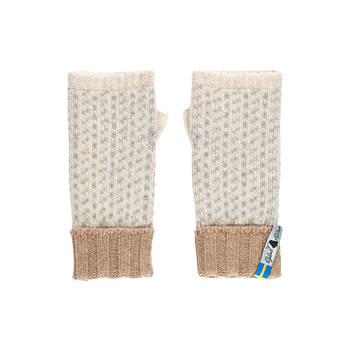
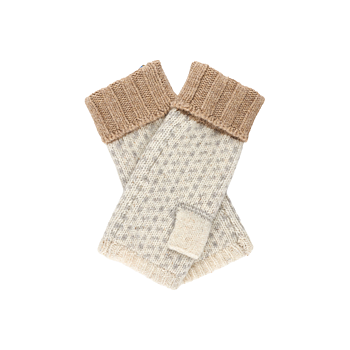
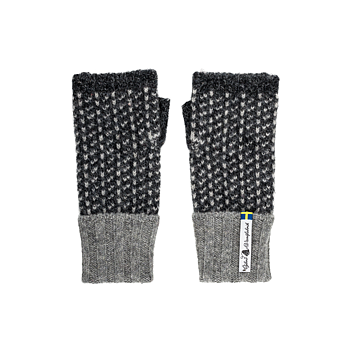
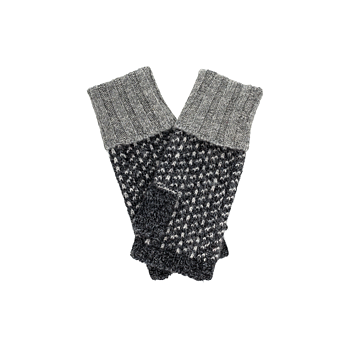
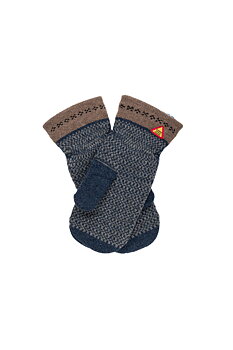
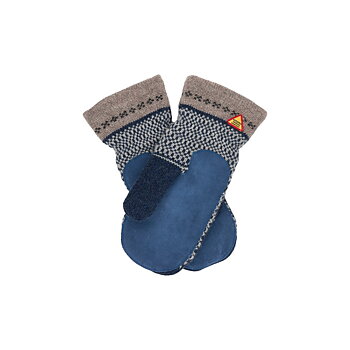
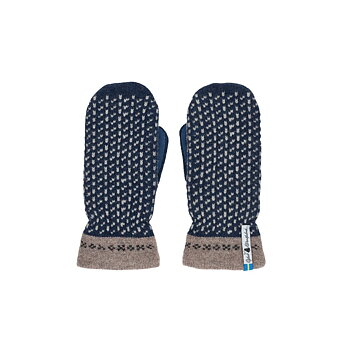
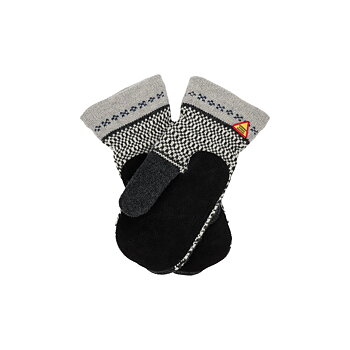
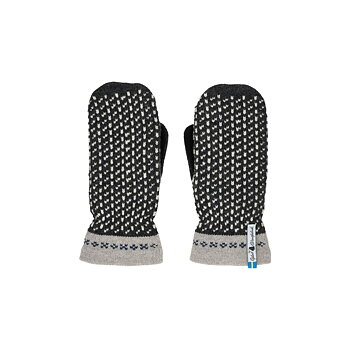
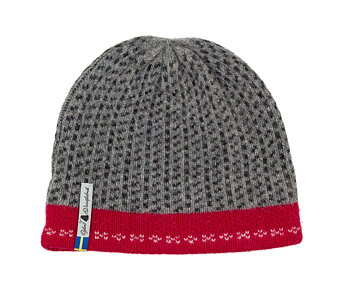
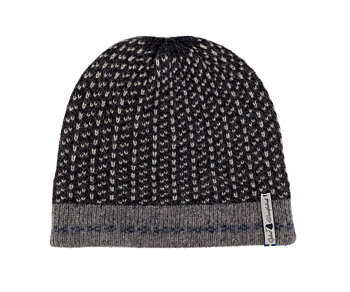
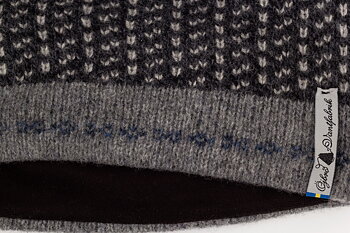
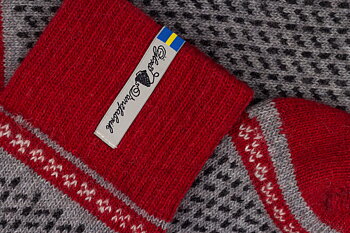
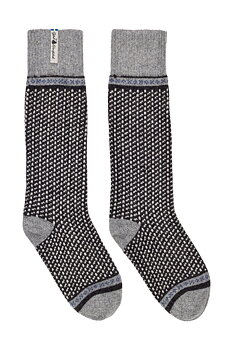
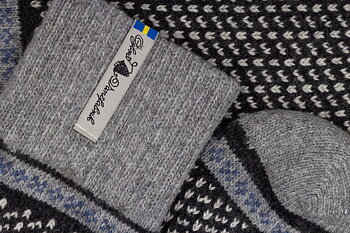
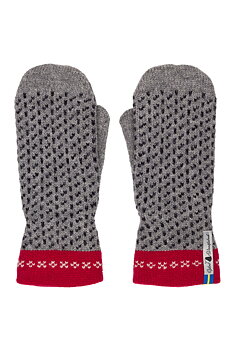
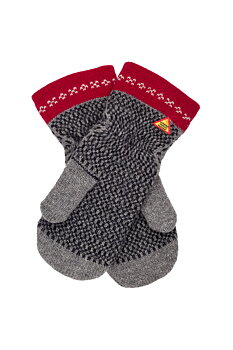
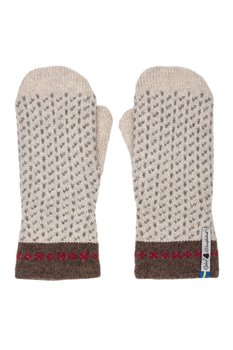
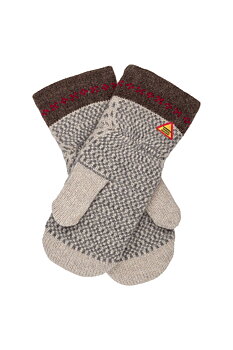
- The Skaftö pattern was created in Grundsund on a cold winter day. I am deeply fascinated by this part of Sweden, with its picturesque boathouses and piers from different eras. I wanted to portray the hardworking fishermen and their tireless work at sea, year after year regardless of the weather. Fishermen are a profession that lives in close harmony with the forces of nature and the changing sea. It is not just a job, but a way of life, often passed down from generation to generation.All our products with the design Skaftö









.jpg?max-width=350&max-height=350&quality=85)








.png?max-width=350&max-height=350&quality=85)
.png?max-width=350&max-height=350&quality=85)
.png?max-width=350&max-height=350&quality=85)
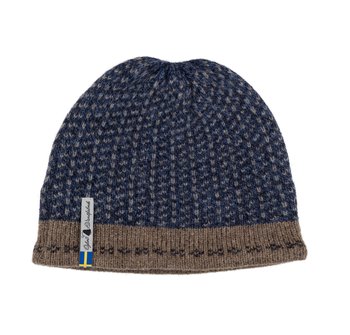
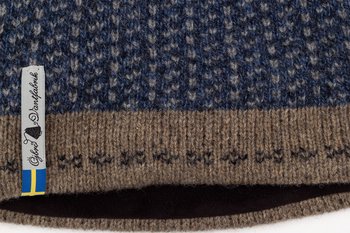

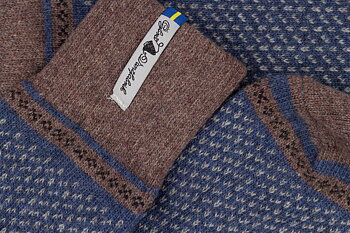
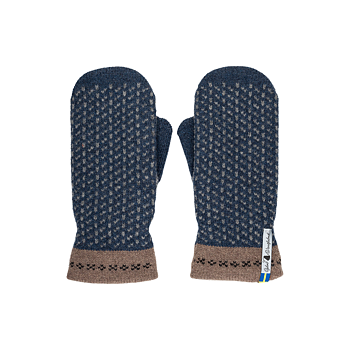






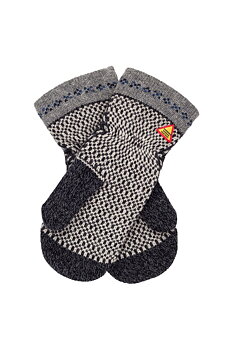
The story behind the pattern "Skaftö" |
|
|
Skaftölandet is an island located on the coast of Bohuslän, commonly referred to simply as Skaftö. The largest communities on the island are Grundsund, Rågårdsvik, and Fiskebäckskil. During the herring period in the 18th century, Grundsund developed into an important fishing settlement and maritime community. During the First World War, a canal was dug that divides the town into two parts, east and west. The canal made it easier for fishing boats and vessels to pass and created a safer harbour for fishermen and sailors. A well-known resident of Skaftö was Carl Wilhelm Wilhelmson, an artist born in 1866 in Fiskebäckskil. Wilhelmson drew most of his motifs from his native Bohuslän, where he later built a summer villa designed by Ivar Callmander, serving as both a home and studio. The house, still owned by the family, opens to visitors one day each summer. 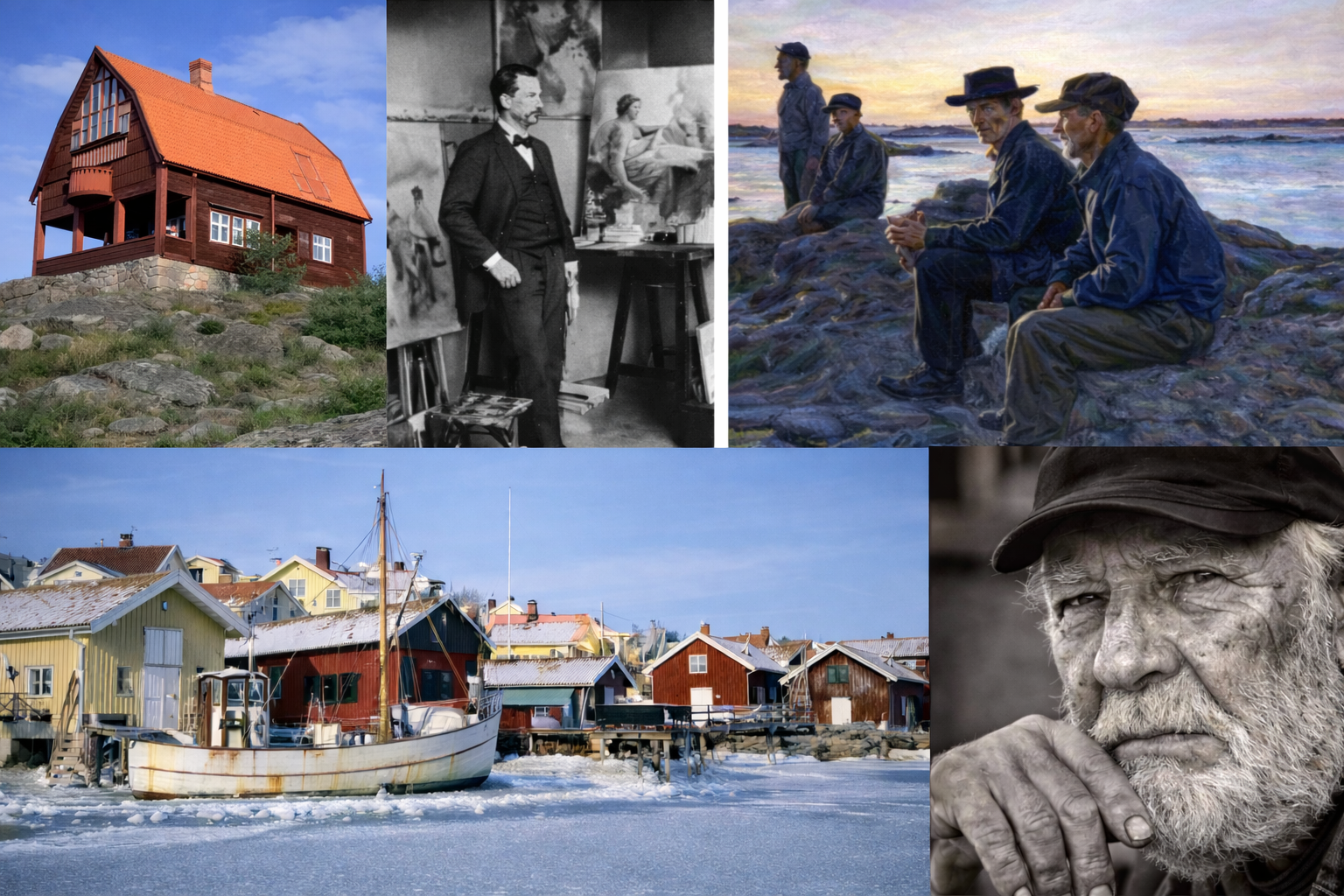 |
|
|
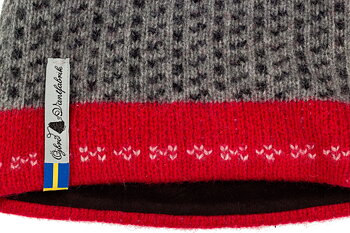
Designer Åse Öjbro, founder of Öjbro Vantfabrik, creates with wearable art as her foundation. She previously worked as an artist, painting for many years before deciding to express her creativity through functional goods. In the Skaftö pattern, she translates the colors and forms of Bohuslän fishermen's sweaters in her own way, inspired by the charm of Skaftö's communities and the professional fishermen who live there. - The Skaftö pattern was created in Grundsund on a cold winter day. I am deeply fascinated by this part of Sweden, with its picturesque boathouses and piers from different eras. I wanted to portray the hardworking fishermen and their tireless work at sea, year after year regardless of the weather. Fishermen are a profession that lives in close harmony with the forces of nature and the changing sea. It is not just a job, but a way of life, often passed down from generation to generation. |
|