Futhark
- I love our shared Scandinavian heritage. Most of us can find a namesake from the Viking Age, and I have been fortunate to be named Åse – a name that evokes Åsa Haraldsdotter, a legendary queen and grandmother of Harald Fairhair, who according to legend united Norway into a kingdom. It gives perspective and a deeper sense of belonging in Scandinavia. Our shared heritage gives us a stable foundation and strengthens us in meeting the present.All our products with the design Futhark





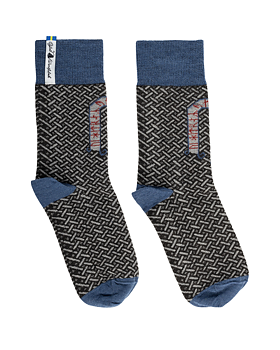

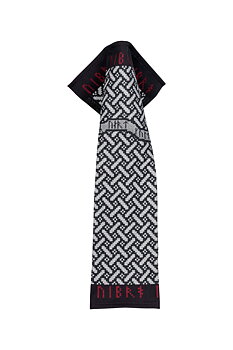
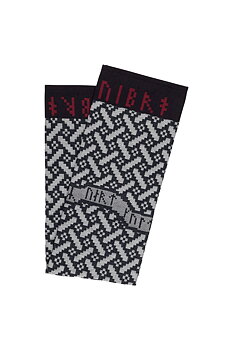
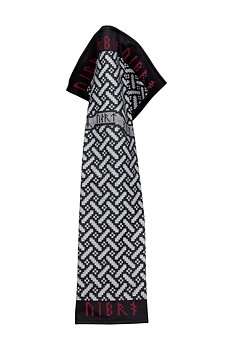
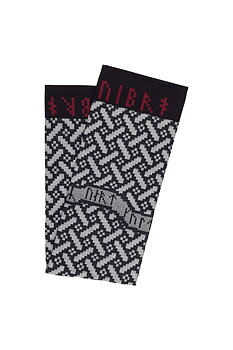
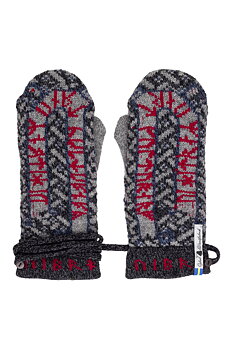
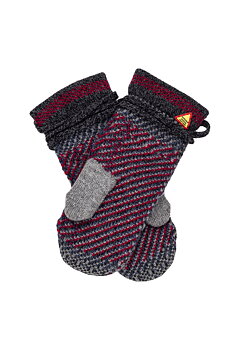
The story behind the pattern "Futhark" |
|
|
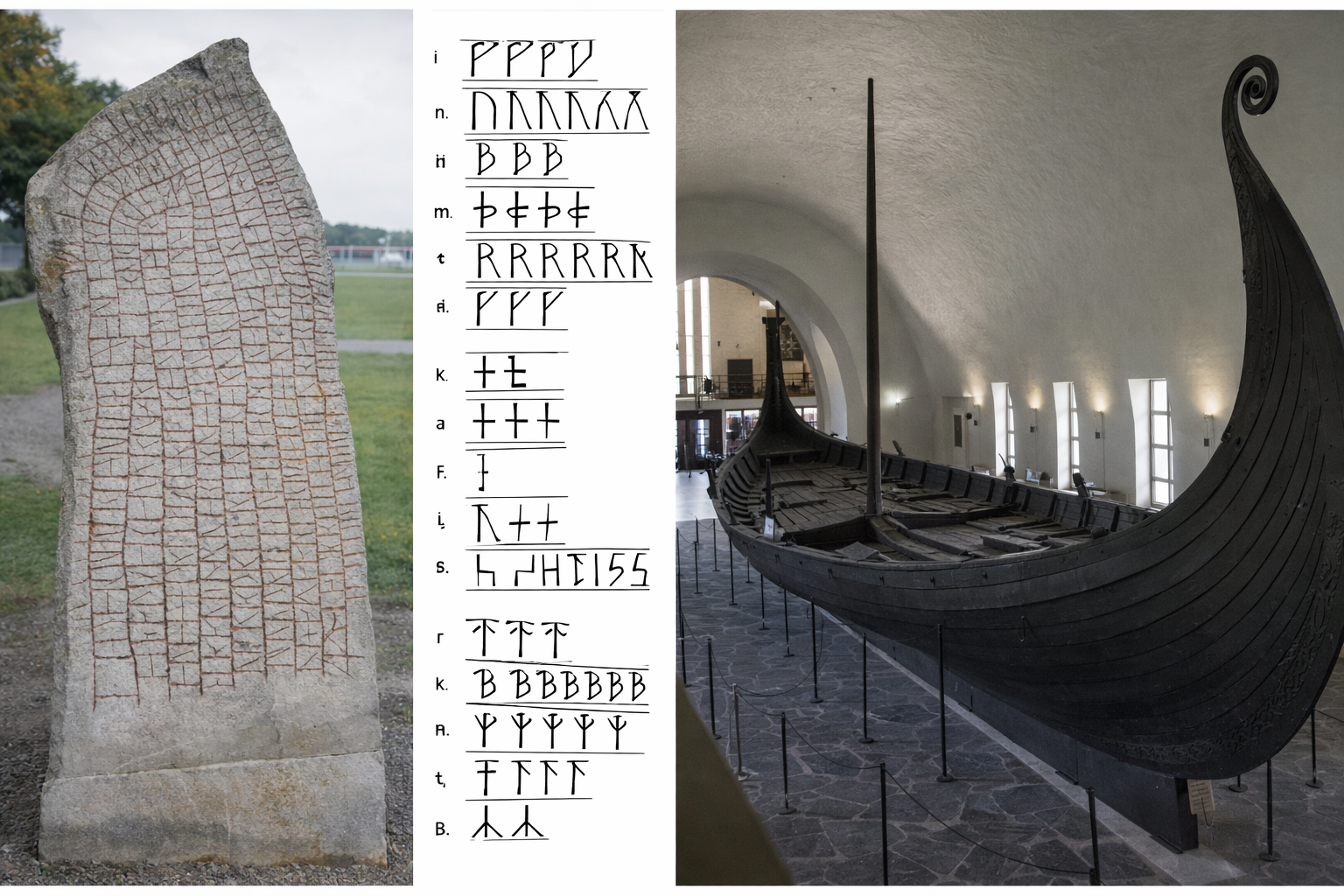
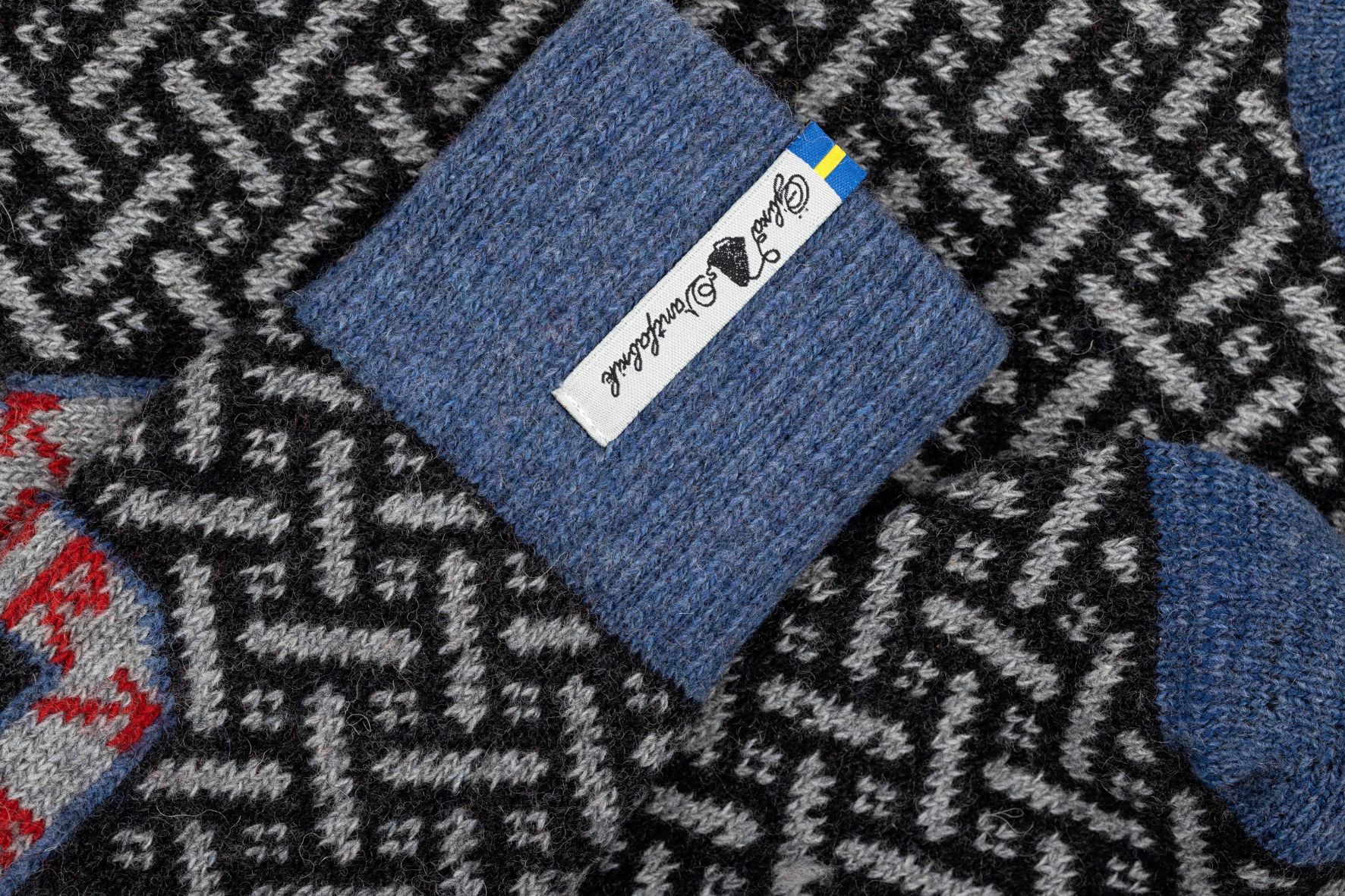
The Viking-age runic alphabets, known as the Futhark, were used from Greenland in the west to Russia in the east. Runic inscriptions are the oldest preserved original documents in Swedish and form an important link to ancient times. Although runes originally existed across the entire Germanic language area, it was in Scandinavia that they became most widespread and were used for the longest period. At the beginning of the 8th century, a new runic alphabet of 16 characters was created, replacing the older one. Since the new runic system was introduced at roughly the same time throughout Scandinavia, many believe it was a deliberate reform of writing, possibly initiated by merchants. The Rök Runestone is Sweden's most famous runestone and bears the longest preserved runic inscription, with around 800 characters. The stone stands outside Röks Church, and it is likely that the place itself took its name from the stone. The Oseberg Ship was discovered in 1903 in a large burial mound at the Oseberg farm in Vestfold County, just north of Tønsberg on the western side of the Oslo Fjord. The ship, 21.5 meters long and 5.1 meters wide, is exceptionally well preserved and decorated with intricate wood carvings. Dendrochronological analysis shows that it was built around the year 820 and that the burial was sealed in 834. Inside the ship, two women – a young and an older one – were found buried in a constructed chamber on deck, surrounded by rich grave goods. Among these were a finely carved four-wheeled wagon, two oxen, fourteen horses, four dogs in iron leashes, four sleds, three beds, kitchen utensils, weaving equipment, and a large quantity of textiles. Walnuts, wheat, and wild apples were also found among the offerings. The younger woman, whose remains appear to have been treated with particular care, is believed to have been Queen Åsa Haraldsdotter, wife of Gudrød the Hunter King, mother of Halfdan the Black, and grandmother of Harald Fairhair. I The Futhark pattern is created with our shared cultural heritage in mind and its significance. The phrase "We honor our cultural heritage" is written in runes, designed by Åse Öjbro using the Futhark runic alphabet. Her pattern is created to celebrate our shared cultural legacy and its importance. - I love our shared Scandinavian heritage. Most of us can find a namesake from the Viking Age, and I have been fortunate to be named Åse – a name that evokes Åsa Haraldsdotter, a legendary queen and grandmother of Harald Fairhair, who according to legend united Norway into a kingdom. It gives perspective and a deeper sense of belonging in Scandinavia. Our shared heritage gives us a stable foundation and strengthens us in meeting the present. |
|