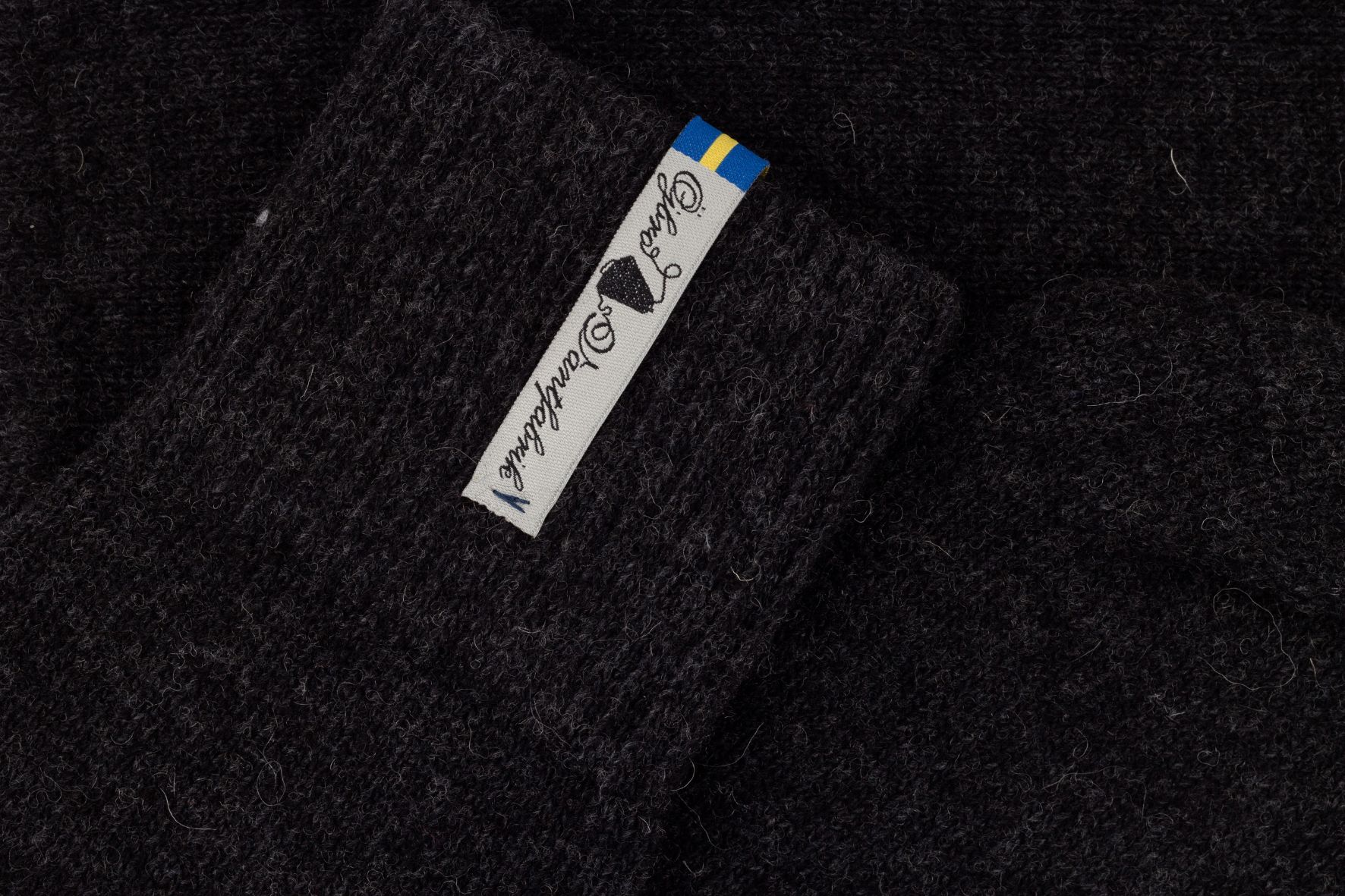
Karg
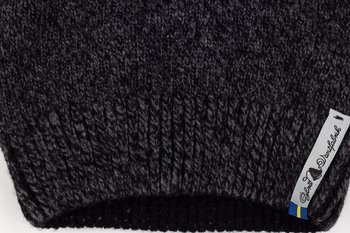
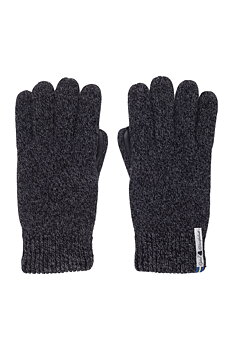
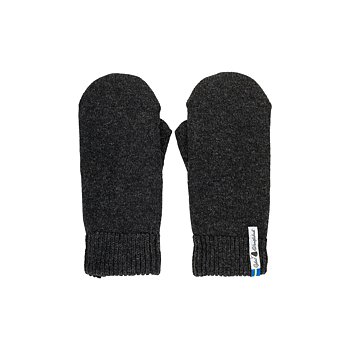
- The Karg pattern came to me on a winter day on Rörö. I was struck by the stark landscape, which reminded me of my grandparents Axel and Axi. They lived a modest and often hard life. Axel was a stonemason, while Axi took care of the family and practiced self-sufficiency to meet their needs. To supplement the household income, Axi went to the market to sell eggs and vegetables she could spare. With the Karg pattern, I want to capture the sense of reverence and gratitude that I, and many of us, feel for our families and ancestors who worked so hard for their livelihood not so long ago.All our products with the design Karg


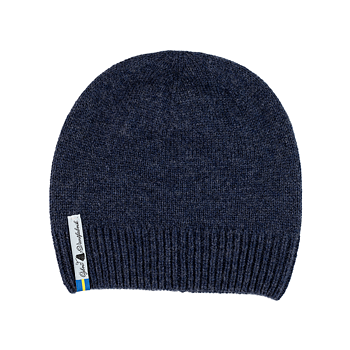

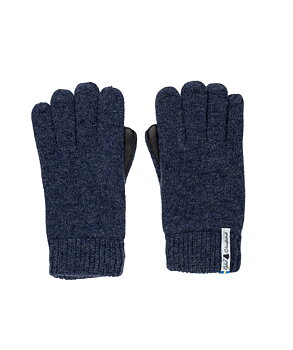
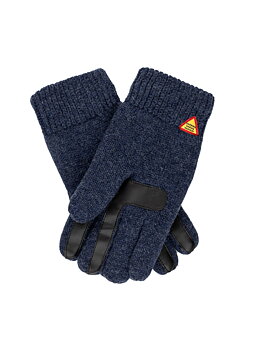
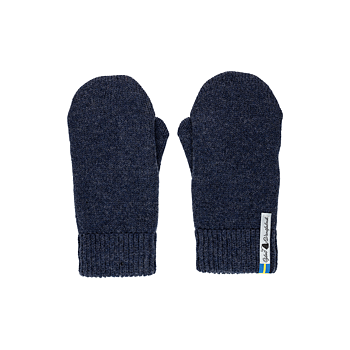
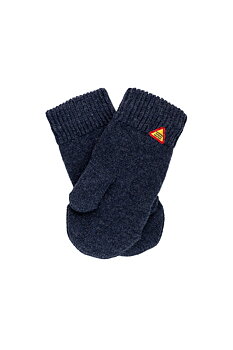

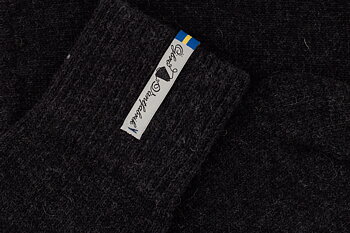
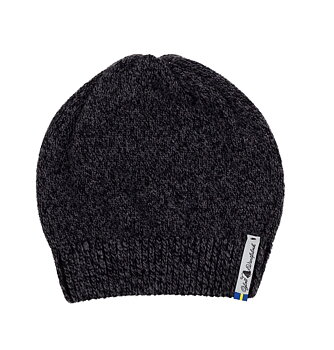


The story behind the pattern "Karg" |
|
|
Far out in the northernmost parts of the Gothenburg archipelago lies Rörö. The word "rör" comes from the Bohuslän dialect and Old Norse and means reeds. Even today, large reed beds can be seen on the southwestern part of the island. Rörö is a well-known destination for nature lovers and birdwatchers. Its unique landscape, where about 406 hectares of the western part of the island are a nature reserve, offers glacial boulders and giant's kettles from the Ice Age. The island is barren and almost completely treeless, with a population of around 260 people. One of the most distinctive inhabitants of Rörö throughout history is "Utter-Anders" (1885-1980), who lived as a hunter, fisherman, and boatbuilder. Utter-Anders and his father, Stin-Olle, lived in a house partly built from shipwreck debris. Many stories are told about him, including how he once shot a walrus with three shots in the same spot. The walrus is now preserved and displayed at the Gothenburg Natural History Museum. 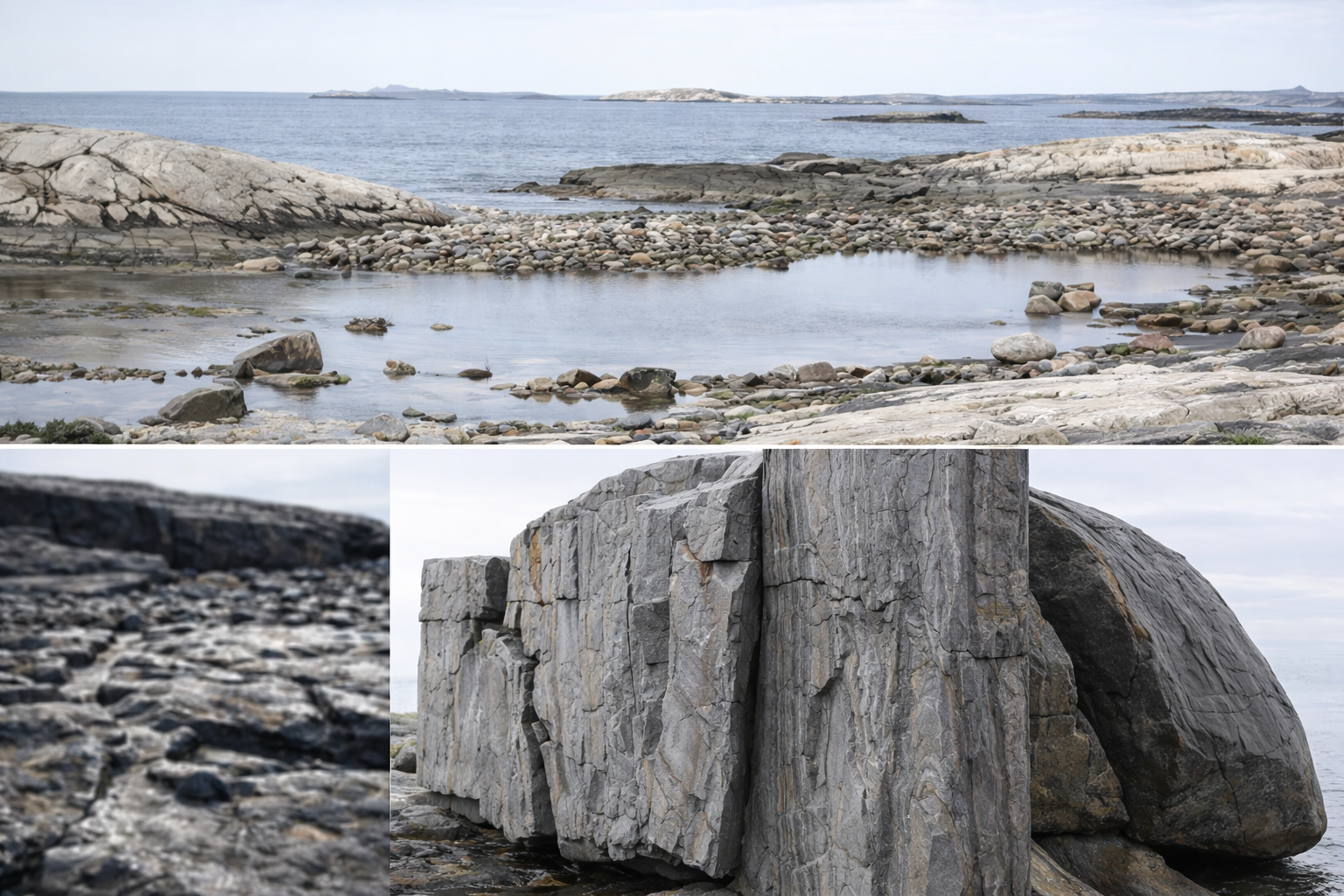 |
|
|
Designer Åse Öjbro, founder of Öjbro Vantfabrik, creates with wearable art as her foundation. She previously worked as an artist, painting for many years before choosing to express herself through functional objects. For this pattern, she has been inspired by the simple, traditional, and stripped-down aesthetic that suits the harsh and barren climate. - The Karg pattern came to me on a winter day on Rörö. I was struck by the stark landscape, which reminded me of my grandparents Axel and Axi. They lived a modest and often hard life. Axel was a stonemason, while Axi took care of the family and practiced self-sufficiency to meet their needs. To supplement the household income, Axi went to the market to sell eggs and vegetables she could spare. With the Karg pattern, I want to capture the sense of reverence and gratitude that I, and many of us, feel for our families and ancestors who worked so hard for their livelihood not so long ago. |
|