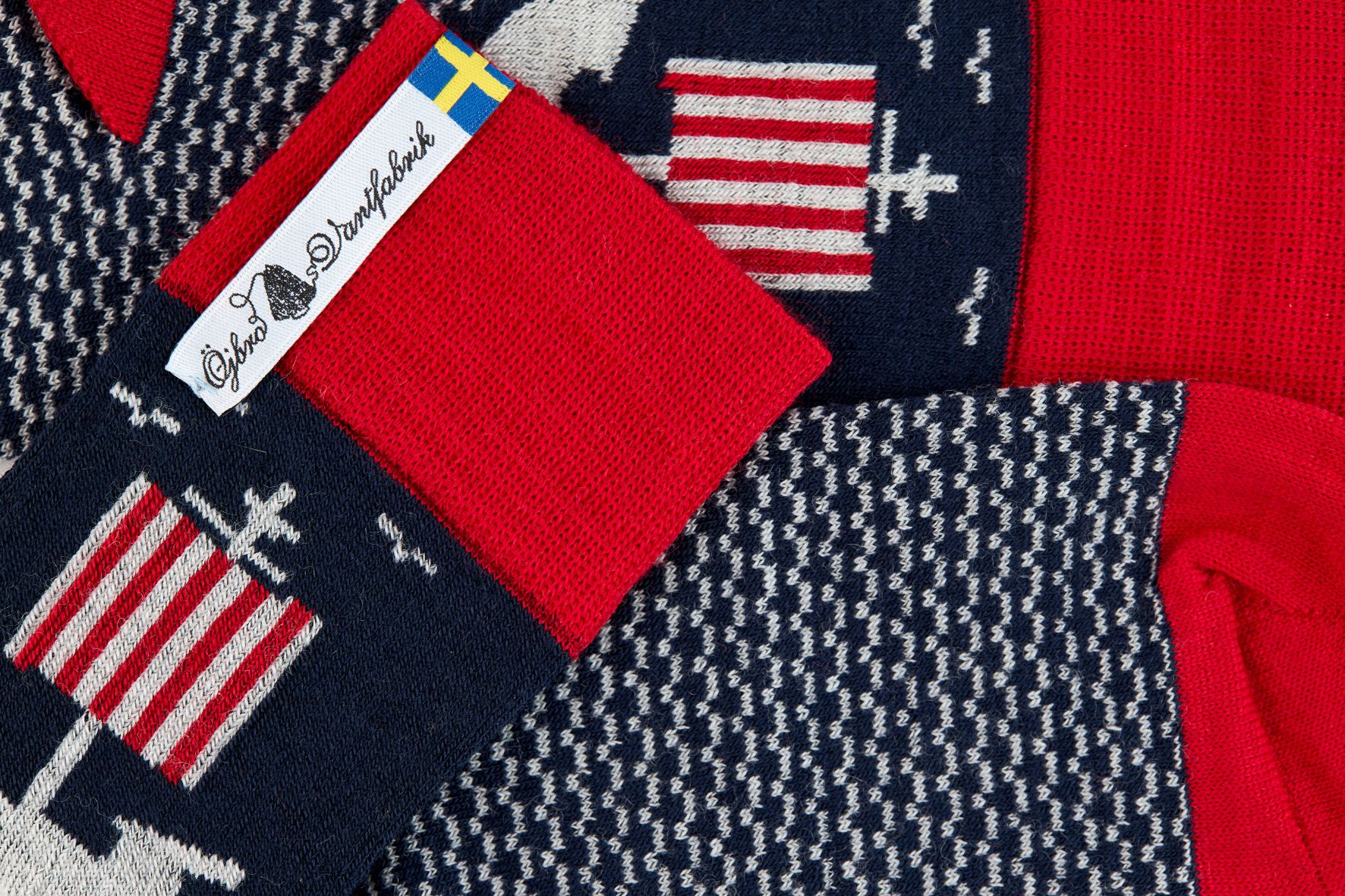
Hansa
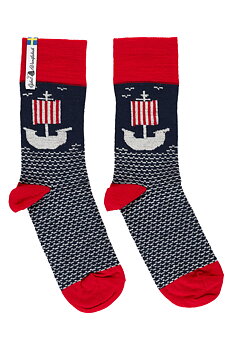



The story behind the pattern "Hansan" |
|
|
As early as the 12th century, North German merchants began cooperating across the sea in what became known as the Hanseatic League – a trading alliance built on trust, shared rules, and the desire to create safer transport between cities around the Baltic Sea. Trade replaced conflict, and instead of walls and weapons, ports, cities, and communities grew. Lübeck, Visby, and Bergen became early hubs in a network that during the Middle Ages encompassed much of Northern Europe. Through the Hanseatic League, people, languages, and cultures were connected in a shared trading area. Cities developed, laws and maritime regulations were standardized, and trade created stability and prosperity. The Baltic Sea became not a border, but a connection. The cog ship became the main symbol of the Hanseatic League – a sturdy cargo vessel that transformed shipping in Northern Europe during the 13th century. These broad, high-sided ships could carry up to 80 tons of cargo and enabled extensive trade between coastal cities. With the cogs, new cities grew and goods, ideas, and people moved freely across the sea. Even today, the Hanseatic idea lives on. Since 1980, a modern Hanseatic League has existed where cities meet for cultural and social exchange – a reminder that trade, cooperation, and openness remain stronger forces than conflict.
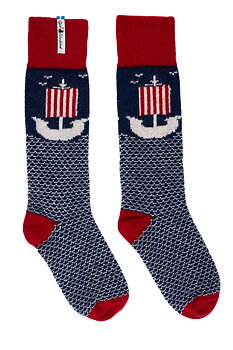
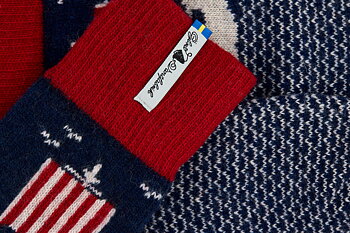
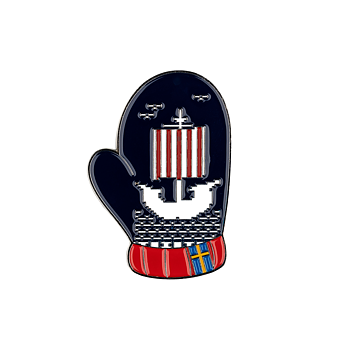
Designer Åse Öjbro, founder of Öjbro Vantfabrik, has created this pattern as a tribute to trade as a peaceful force. "Hansa Cog" depicts the elegant form and symbolic power of the cog ship in traditional colors. The pattern is inspired by the history of the Hanseatic League as a symbol of peace, prosperity, and cultural exchange through trade, connecting each color and line with movement, encounters, and how we can create community across the sea and through time. The resemblance to Viking ships is a welcome bonus. - For me, the Hanseatic League symbolizes an alternative to war: encounters between people, exchange of knowledge, and respect across borders. The cog became a carrier of more than goods—it carried hope for the future. I wanted to honor the prosperity that emerges when we choose cooperation over division, and when the sea connects rather than separates us. |
|